
The projects below show several key jobs a custom MarTech solution can do: personalizing in-store shopping, proving ad attention, running partner campaigns, and predicting customer responses.










IT experts are ready to start building martech systems for you












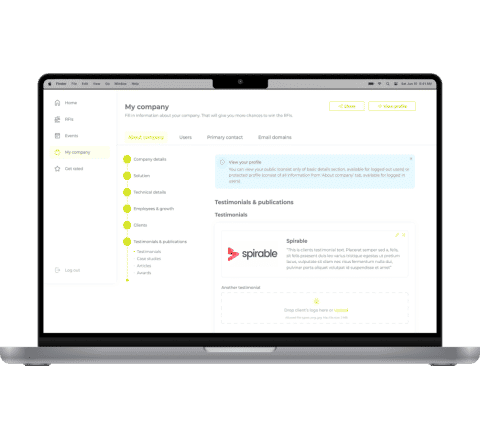

Validify – Retail vendor management platform
See how Geniusee built Validify’s scalable vendor management platform with advanced UX, data architecture, and automated RFI workflows.
Case details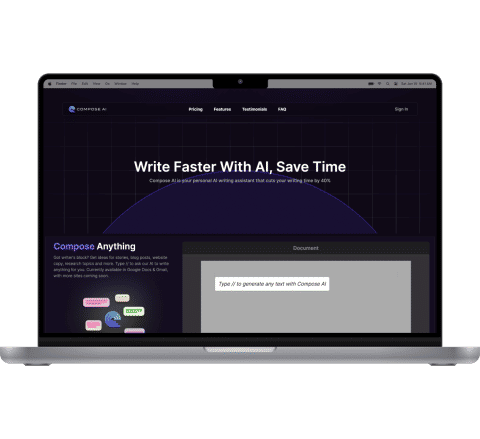
 Martech
Compose AI: Advanced content writing solution
We partnered with Compose AI to enhance their AI-powered writing platform through cloud migration, UX improvements, seamless integrations, and scalable feature development, upporting their growth from YC-backed startup to a widely adopted productivity tool.
Case details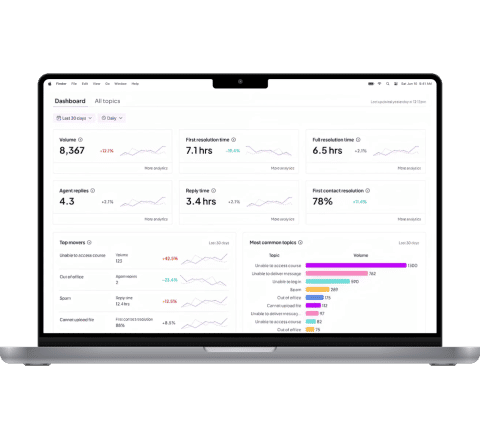
 Martech
Forethought: Enterprise AI agents for customer support
Forethought partnered with Geniusee to extend and integrate its AI-powered support platforms (Assist and Discover) into complex enterprise environments. We helped enhance real-time agent assistance, streamline multi-system connectivity, and deliver a unified support experience across channels. The result is a scalable AI agent ecosystem that accelerates resolution times, boosts team productivity, and powers more consistent customer experiences.
Case details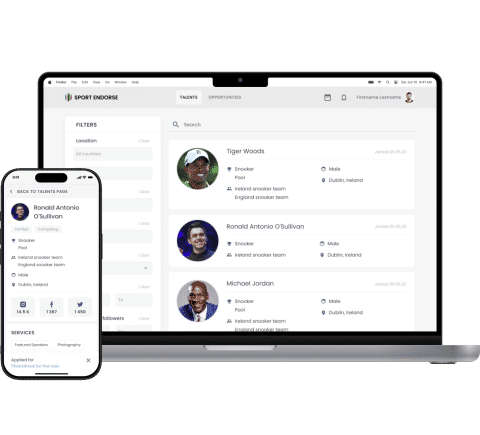
Sport Endorse: Sports collaborative marketing platform
Explore the cutting-edge MarTech platform connecting brands to 7,000+ athletes across 280+ sports in 85 countries for seamless sponsorships and campaigns. Geniusee built a scalable web/mobile solution with intuitive UX, serverless AWS, and secure payments. We launched the platform in just 4 months.
Case details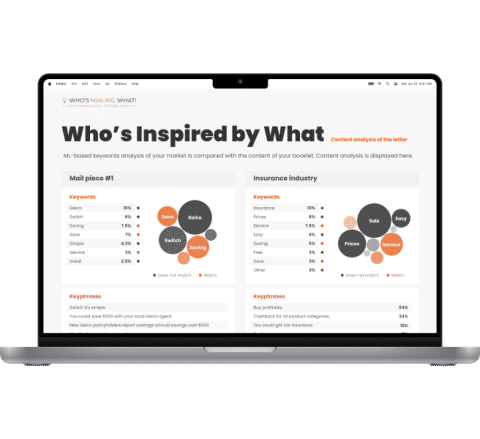
Predictive marketing intelligence platform Wyzoo [Now Xperra]
Discover how Geniusee helped Wyzoo build an AI-powered platform for customer segmentation, predictive insights, and smarter marketing decisions.
Case details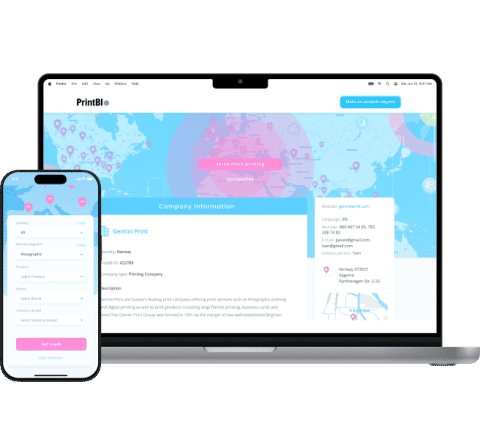
PrintBI: Intelligent directory platform for printing industry leads
PrintBI offers a scalable lead-generation ecosystem for the printing sector, combining intelligent data scraping, advanced search, and automated report delivery. Through technical collaboration with Geniusee, the platform gained the architecture, UX, and automation needed to operate reliably at global scale.
Case details
Pick one service to fix a single bottleneck, such as attribution or audience sync, or combine several into one program for the whole stack.
Technology stack for MarTech platforms and AdTech apps
| Backend | Node.js, Python |
| Frontend and mobile | React, React Native, Kotlin |
| Data and AI | Snowflake, BigQuery, Apache Kafka, H2O Driverless AI |
| Cloud, payments, and DevOps | AWS Lambda, Stripe, Terraform |
In this development approach, one campaign use case goes live first, and AI agents write routine code and tests that engineers review and approve before each release.

Audit the stack and pick the first use case
✔️ Workshops with marketing, sales, analytics, and IT leads
✔️ Review of tools, licenses, data flows, and consent records
✔️ Candidate use cases ranked by expected impact
✔️ Fixed scope and budget approved before coding starts
Model the data and write an agent-ready specification
✔️ Unified customer profile, identity keys, and event taxonomy
✔️ Connector plan for CRM, ad platforms, and analytics
✔️ Agent-ready backlog with each feature broken into small, testable tasks, as in Geniusee’s AI-native software development method
✔️ Consent and data-access rules as automated checks
Launch the first campaign, then build in parallel
✔️ Pilot journey on real traffic against a holdout group
✔️ AI agents implement approved tasks under engineer review
✔️ Weekly demos on live audiences and campaign data
✔️ Runbooks and data dictionaries written alongside the code
Validate and switch over
✔️ Automated code, security, and specification checks on every change
✔️ AI-generated regression tests for segments, journeys, and attribution
✔️ Contact, consent, and campaign data migrated from legacy tools
✔️ Parallel run until audience counts and attribution match
Go live and optimize
✔️ Hands-on training for marketing ops and analysts
✔️ Monitoring of data freshness, sync errors, and send volumes
✔️ Load checks before seasonal peaks such as Black Friday
✔️ Backlog of new features, A/B tests, and channels

Our expertise in mobile application development spans the industries where Android reaches the most customers and frontline employees:
- Lifecycle campaigns for onboarding, activation, and cross-sell with consent and suitability rules
- Spending-based audience targeting through open banking data
- Referral, cashback, and reward programs with instant payouts
- Attribution across paid, affiliate, and partner channels
- Enrollment funnels from lead capture to course start with automated nurturing
- Learner engagement campaigns triggered by LMS activity
- Cohort and course analytics shared by marketing and admissions
- Tutor and partner marketplaces with campaign tools
- Omnichannel customer profiles across web, app, and store
- Personalized recommendations and in-store clienteling apps
- Loyalty, promotions, and retail media campaign management
- Basket and fitting-room analytics for merchandising and marketing
- Lead routing and nurturing for listings, agents, and developers
- Portal and CRM integrations with listing feeds
- Campaign analytics by property, region, and channel
- Investor and tenant communication journeys
- Dealer and distributor portals for co-marketing campaigns
- Account-based campaigns and lead scoring for B2B buyers
- Trade show lead capture synced to CRM journeys
- Quote request and configurator tracking for sales follow-up








How much do custom MarTech development services cost?
Typical MarTech projects with Geniusee cost $50,000 to $200,000, a ballpark to confirm once the scope is clear. A single connector, such as a CRM-to-Google Ads sync, is at the lower end, while a multi-tenant AdTech product or a warehouse-native CDP costs more. AI agents write much of the routine code, which shortens delivery, and you approve each phase separately.
How long does it take to develop a MarTech platform?
Plan on 6 to 10 weeks for a first use case, such as a lead-scoring model. A full platform with a customer data layer, journeys, and reporting takes 4 to 9 months. Data cleanup usually sets the pace, and releases follow your campaign calendar, so no switchover lands in a peak season.
Is custom MarTech software better than HubSpot, Salesforce Marketing Cloud, or Braze?
No, and most projects keep at least one of them for sending email, push, and SMS at scale. Custom development pays off around them: a data layer for sharper segments, attribution your finance team accepts, an AdTech product or marketplace, or agency reporting across many clients.
Can custom MarTech software integrate with our CRM, ad platforms, and analytics tools?
Yes. Typical connections include Salesforce and HubSpot for CRM, Google Ads, Meta, and TikTok for paid media, Google Analytics 4 (GA4) for analytics, and Snowflake or BigQuery as the warehouse. Each connector is versioned and monitored because ad platform APIs change frequently, and conversions are returned via server-side APIs with consent checks.
What types of MarTech solutions can Geniusee develop?
As a MarTech development company, Geniusee develops customer data platforms, marketing automation platforms, AdTech products for targeting and ad delivery, analytics and attribution systems, and AI personalization. Influencer marketplaces, loyalty programs, and in-store clienteling apps are frequent requests too, often added to an existing platform.
Should the first release of a MarTech platform include AI?
Yes, if the data behind it is ready. A reporting assistant for campaign results can ship as soon as campaign data is in a single place, whereas predictive scoring and churn models require months of clean, consented customer history. Teams that only need AI campaign tools, without a custom platform, can start with AI marketing services.
How do you handle GDPR, CCPA, and consent in MarTech development?
Consent is modeled as data from the first design session. Each customer attribute includes its consent status, so segments respect each person’s consent, and access or deletion requests are processed across all connected systems. Server-side tagging and regional data residency on AWS or Google Cloud support GDPR and CCPA compliance, with your legal team confirming the final policy.
Who on our side needs to be involved in MarTech development?
Usually three people: a marketing owner who approves releases, a marketing ops or analytics lead who knows the data, and an IT contact who grants access to your systems. Geniusee supplies the rest of the development team, including MarTech developers, data engineers, QA, and DevOps.