
Most digital products don’t fail because of bad technology. They fail because users don’t get them. If any of these sound familiar, design is probably part of the problem:


Lack of a structured design system
Without consistent rules and components, every new screen becomes a negotiation. Design slows down, quality drifts.
Separately, they’re both incomplete. Together, they create products people actually enjoy using, and come back to.
UX defines how your product works
UX design is about research, logic, behavior, and structure.
How work
The overall experience of the product
Prototyping
Creates wireframes and prototypes as the basis of a user flow
High Level
Takes a high-level view of a product, ensuring the overall user flow is fully realized and consistent
UI defines how it looks and feels
UI design translates that logic into something visual, consistent, and easy to navigate.
Look
How the interfaces look and feel
Design
Finalizes designs for actual user engagement
Details
Works on individual pages, buttons, and interactions, ensuring they are polished and functional
We don’t open Figma on day one. Every design decision is intentional, validated, and tied to something that matters to your business. That means starting with three things:



Your business objectives and growth targets
Conversion, retention, adoption — we connect strategic UX thinking to the metrics that drive real product growth. Good user experience design services don’t exist in a vacuum.
Our process is structured, transparent, and adaptable. Every project goes through clearly defined stages.

Product UX strategy
Define user journeys, information architecture, and experience logic that maps to your actual business objectives.
User research & discovery
Pressure-test assumptions through personas, interviews, analytics, and competitive research before committing to a direction.

UX/UI audit
A clear-eyed evaluation of what’s working, what isn’t, and what to fix – with actionable recommendations, not just observations.

Web application design
Scalable, user-centered interfaces for SaaS platforms and complex web systems where clarity under complexity is non-negotiable.

Mobile app design
Intuitive native and cross-platform experiences that follow platform conventions while feeling distinctly yours.

Design systems development
Structured component libraries that keep your product consistent, speed up development, and make scaling less painful.

Prototyping
Interactive prototypes that let you test and validate flows before handing anything to engineering.
Product redesign
Modernize what’s outdated without throwing away what works. We preserve familiar patterns while removing the friction users have learned to tolerate.
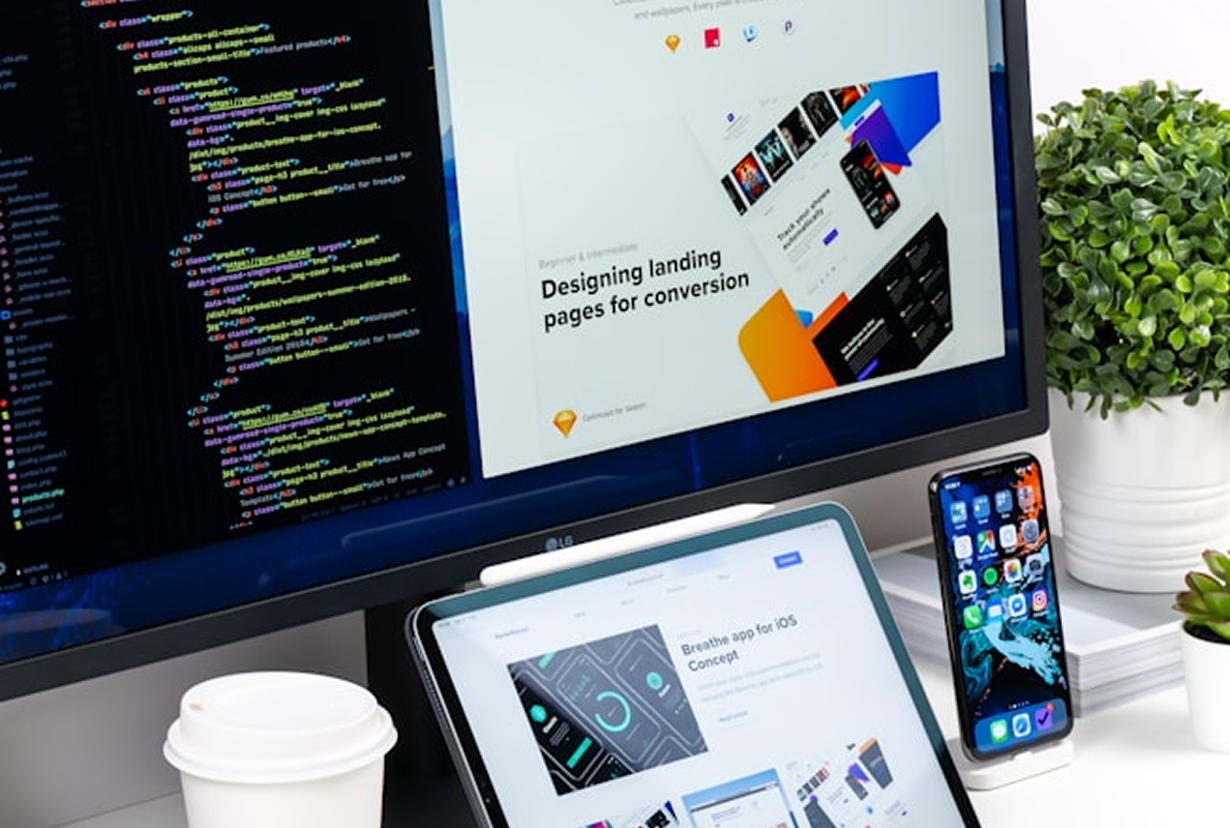
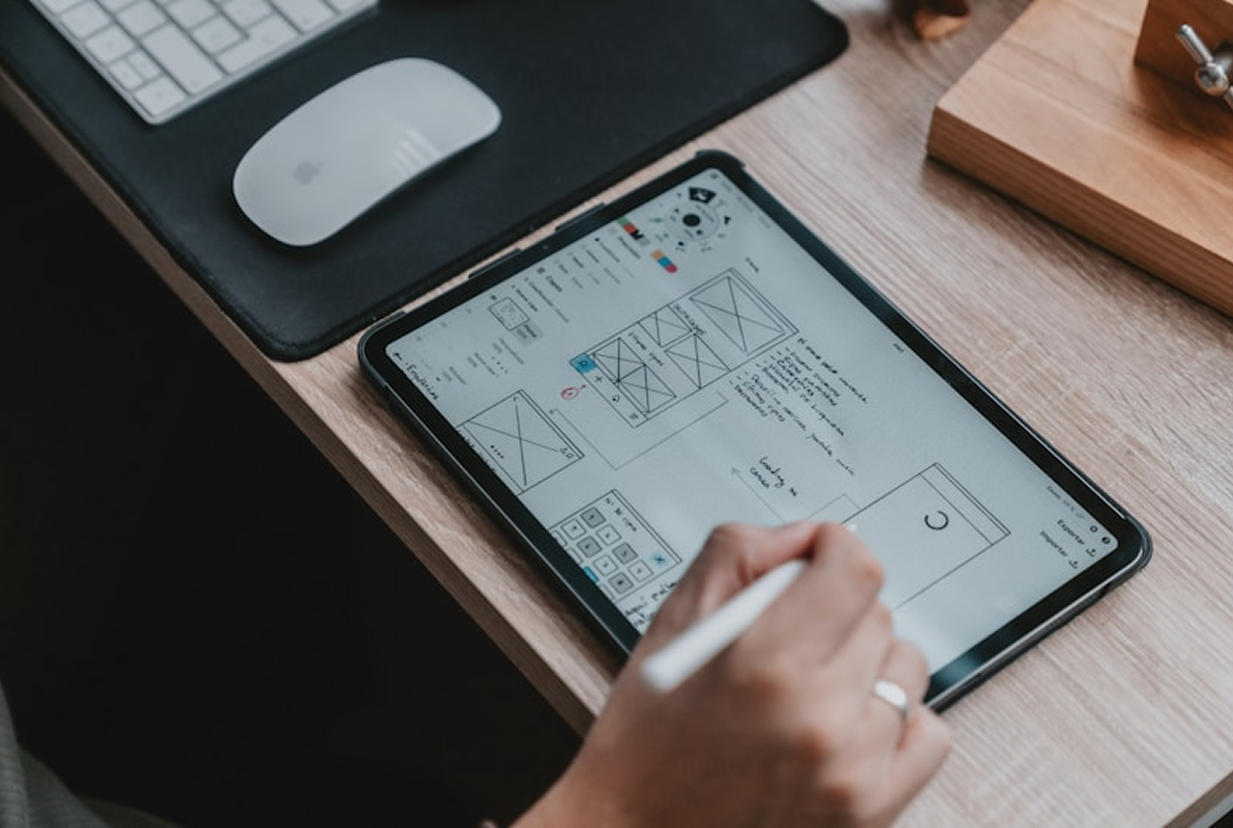
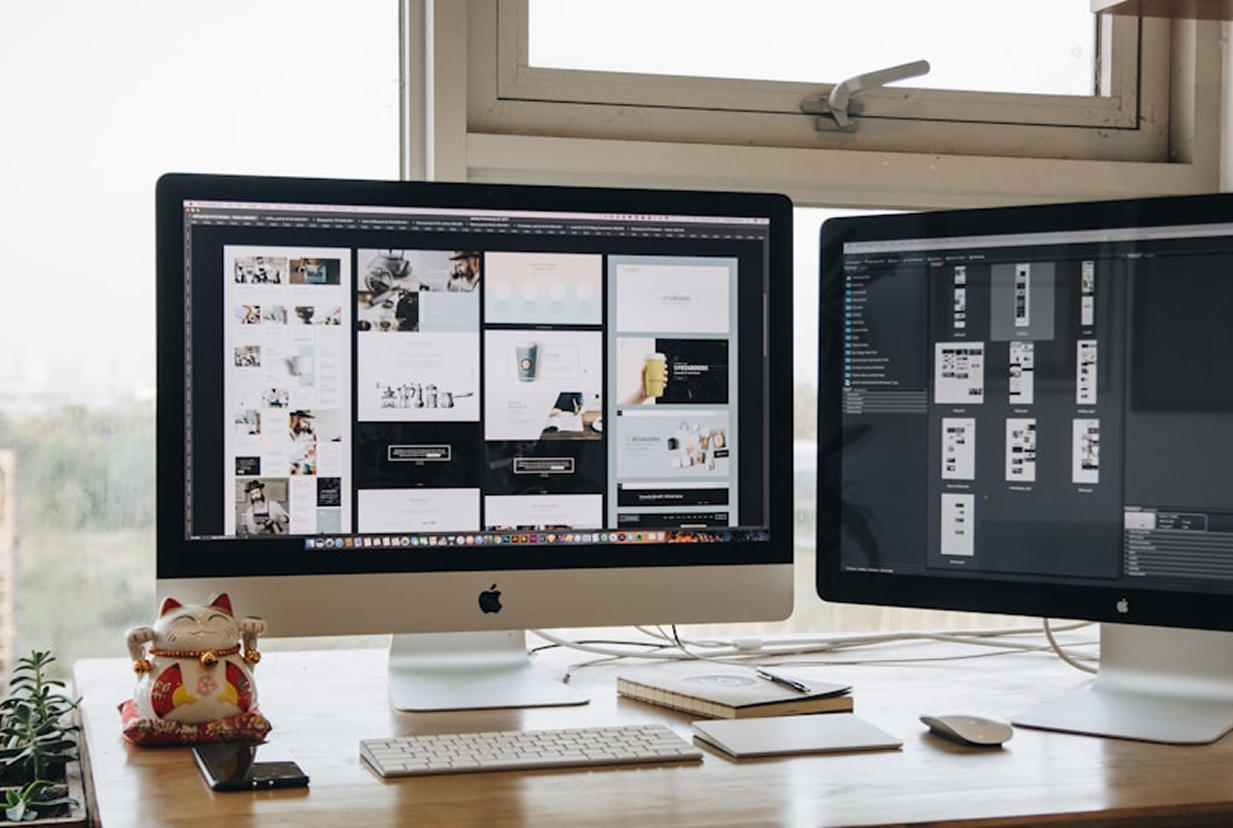
By combining attractive design with product utility, we create digital experiences that generate real business value.
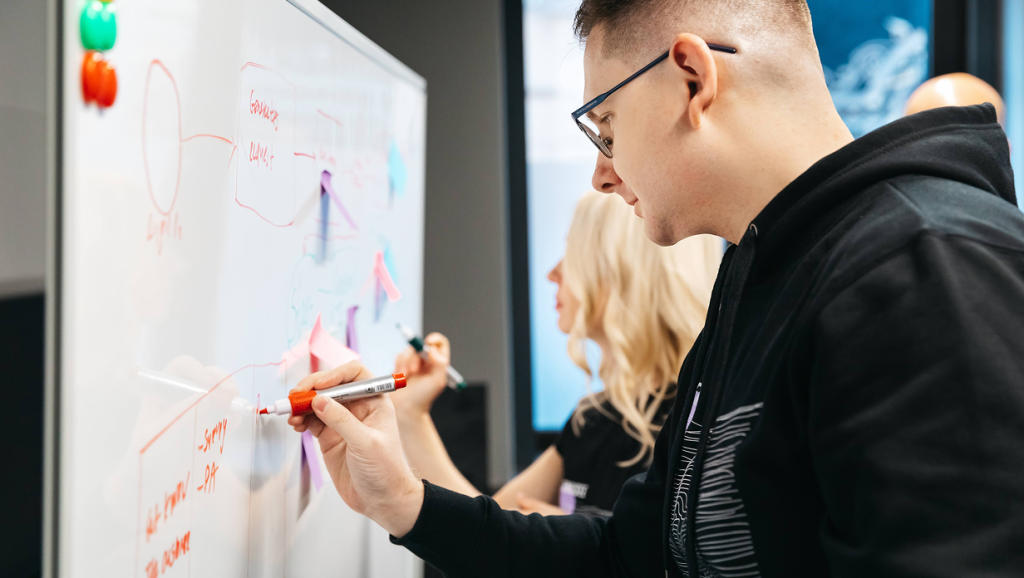
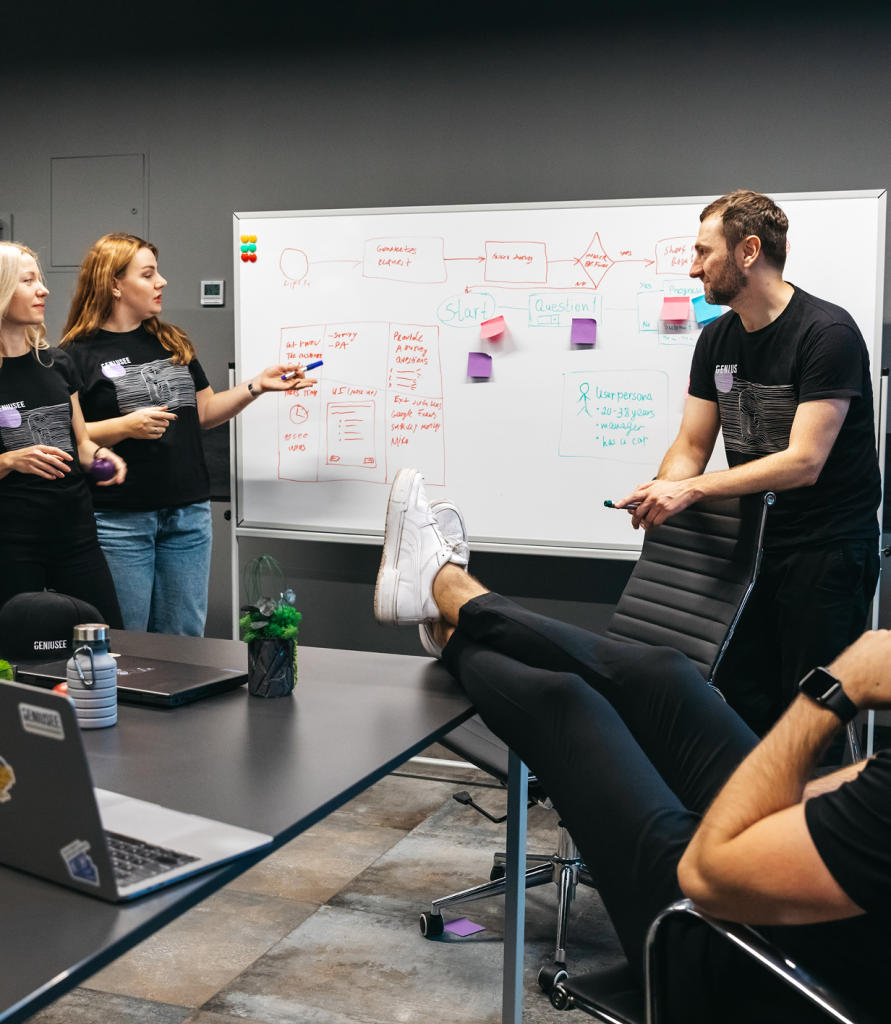
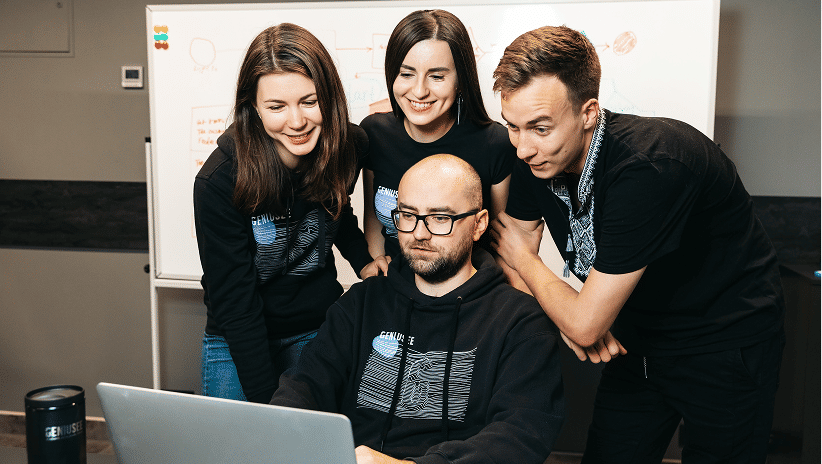
One design team, end to end
From idea validation through to launch and support, cross-functional expertise under one roof means fewer handoffs, less overhead, and faster time to market.

Faster product adoption
We create clear, predictable interfaces that shorten the learning curve and accelerate implementation.

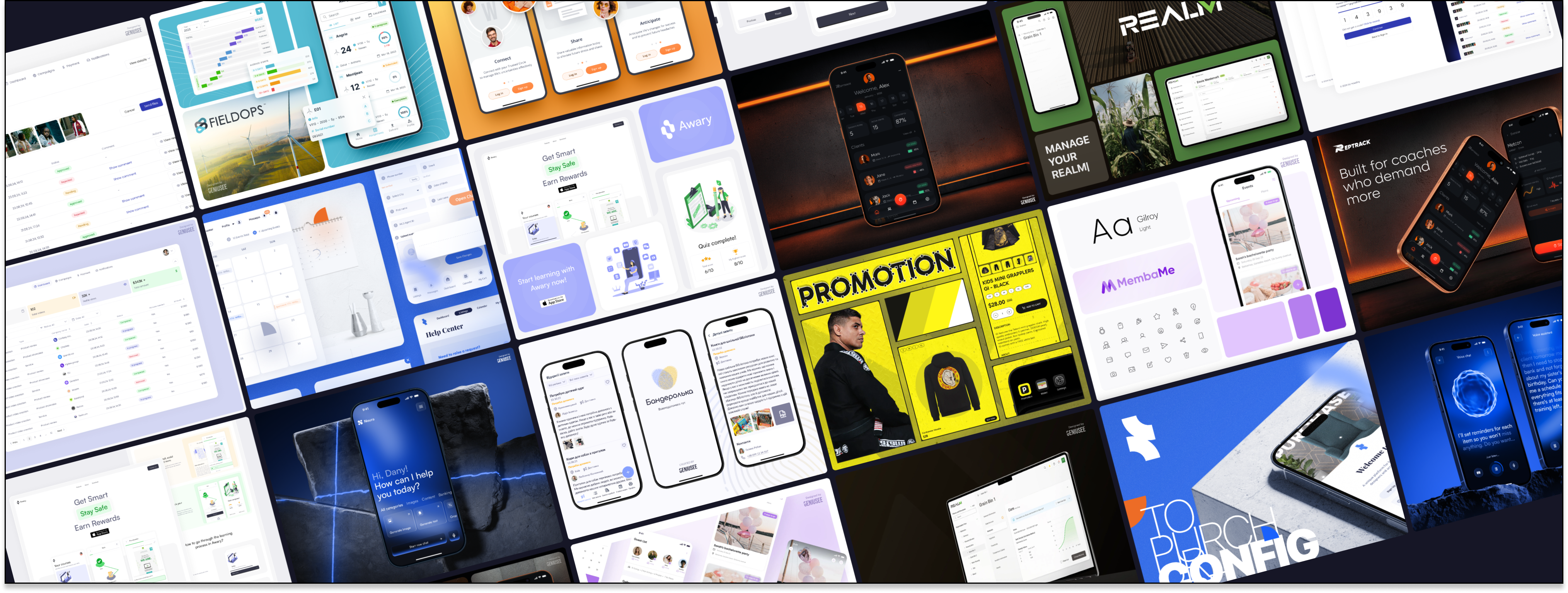





Genuisee’s versatile experience, gained over more than 8 years, has enabled us to form a team with a proven track record.
What is the difference between user experience and user interface design?
Think of UX as the blueprint and UI as the interior design. User experience is about whether people can find what they need and complete what they came to do. UI is about whether it looks and feels good while they’re doing it. One without the other usually shows.
How long does a UI/UX design project take?
Depends on what you’re building. A focused product redesign or MVP typically takes 4–8 weeks. If you’re dealing with multiple user roles, a custom design system, or a platform that’s grown organically over years — plan for more user-friendly design solutions. We’ll give you an honest estimate after we understand the scope, not before.
Do you provide research as a standalone UX design service?
Yes — and honestly, it’s one of the most valuable things you can do before committing to a full redesign. We run user interviews, usability testing, heuristic evaluations, and analytics reviews as independent engagements. A lot of clients come in thinking they know the problem and leave the research phase with a completely different picture.
Can you redesign an existing product without disrupting current users?
Yes, and we’re careful about this. Redesigns that ignore what users already know tend to frustrate the people you most need to keep. We identify what’s causing friction, fix it, and leave familiar patterns intact where they’re working.
Do you create design systems?
Yes. Whether that’s adapting an existing framework or building something custom from scratch depends on your product. The investment pays back fast — teams spend less time reinventing decisions that were already made, and new screens stay consistent without a design review on every one.
How do you validate design decisions?
We don’t ship based on gut feel. Every significant decision gets tested — through usability sessions, behavior analytics, or wireframing with real users. If the data says something isn’t working, we fix it before it reaches development.
Do you work with startups or only enterprise companies?
Both, at very different stages. Early-stage startups need fast, scrappy validation. Enterprise teams usually need to untangle years of accumulated UX debt. The process adapts — what doesn’t change is that we take the problem seriously either way.
How much does UI UX design cost?
A landing page or small marketing site usually starts around $3,000–$8,000. An MVP or early SaaS product typically falls in the $10,000–$25,000 range.
A complex platform with multiple user roles and a custom product design system can go from $30,000 to $80,000 or beyond — it really depends on what you’re dealing with. Use our Project Cost Estimator for a rough number, or just talk to us and we’ll give you a real one.